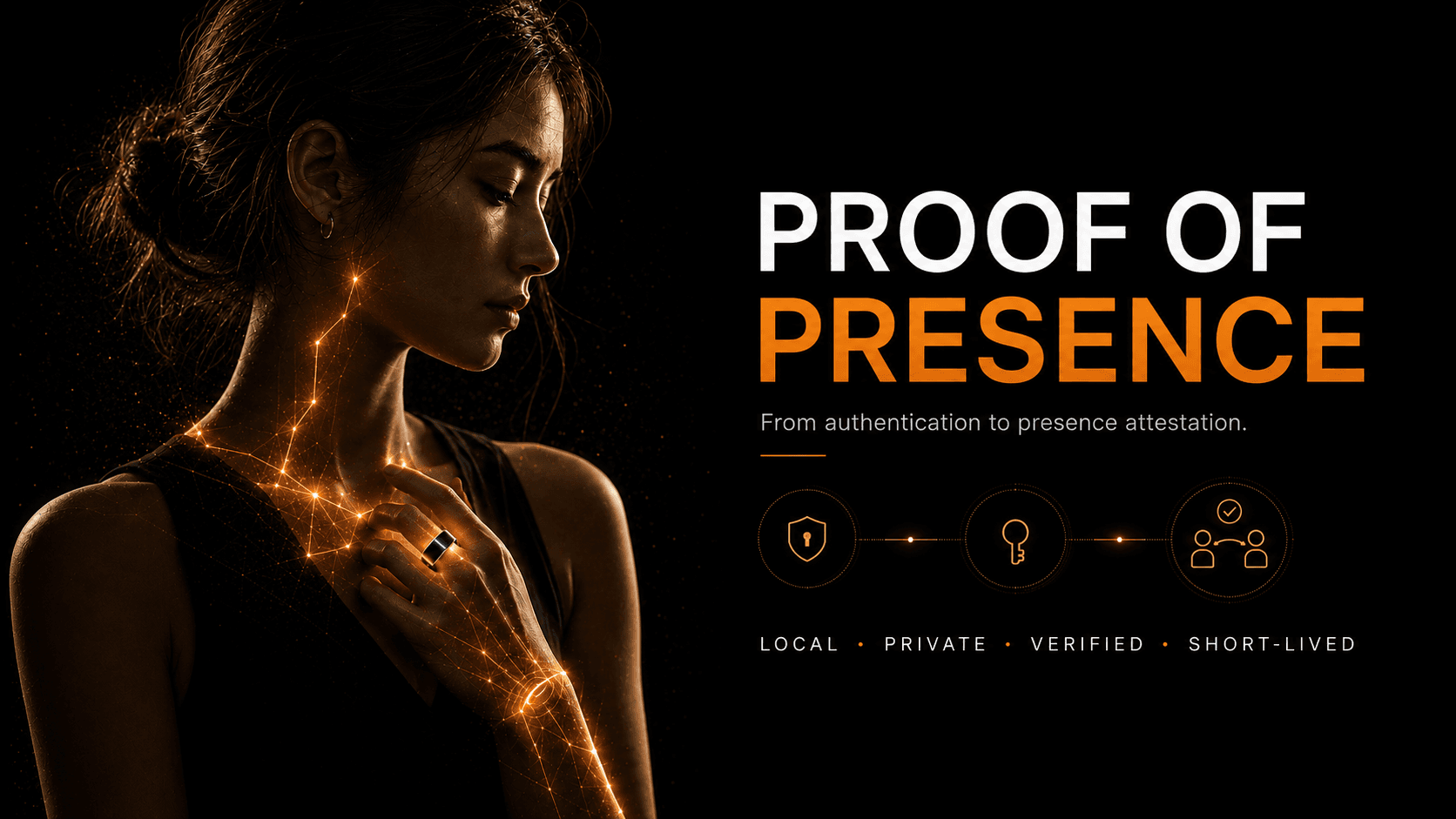
Proof of Presence
The internet is learning to mark what is synthetic. It still has no shared way to show who was physically there.

Insights on building the distributed, always-on, and secure systems of the future

The internet is learning to mark what is synthetic. It still has no shared way to show who was physically there.

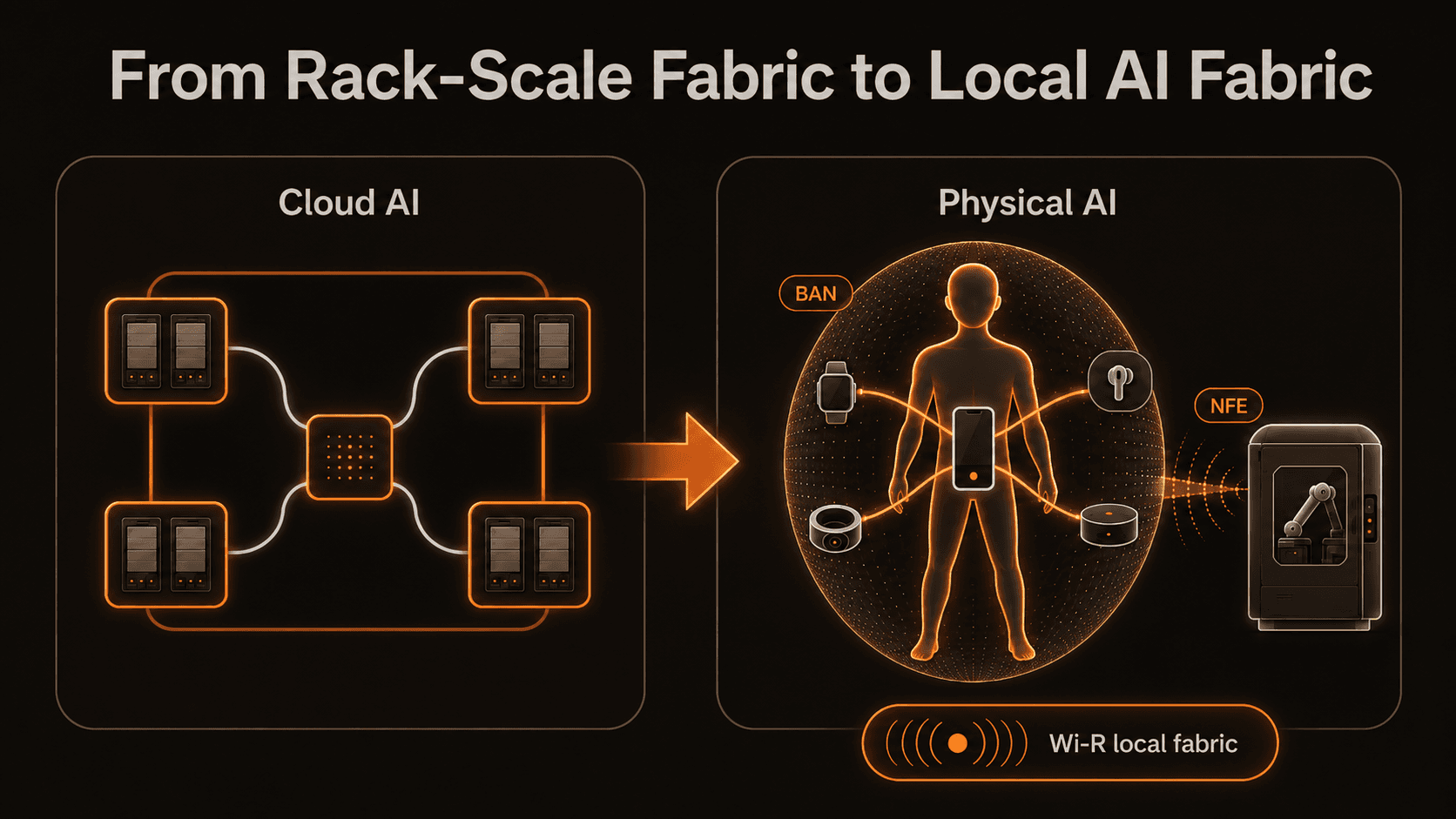
Why cloud AI has rack-scale fabrics while Physical AI needs a local interconnect to move data efficiently across bodies, wearables, and nearby compute.

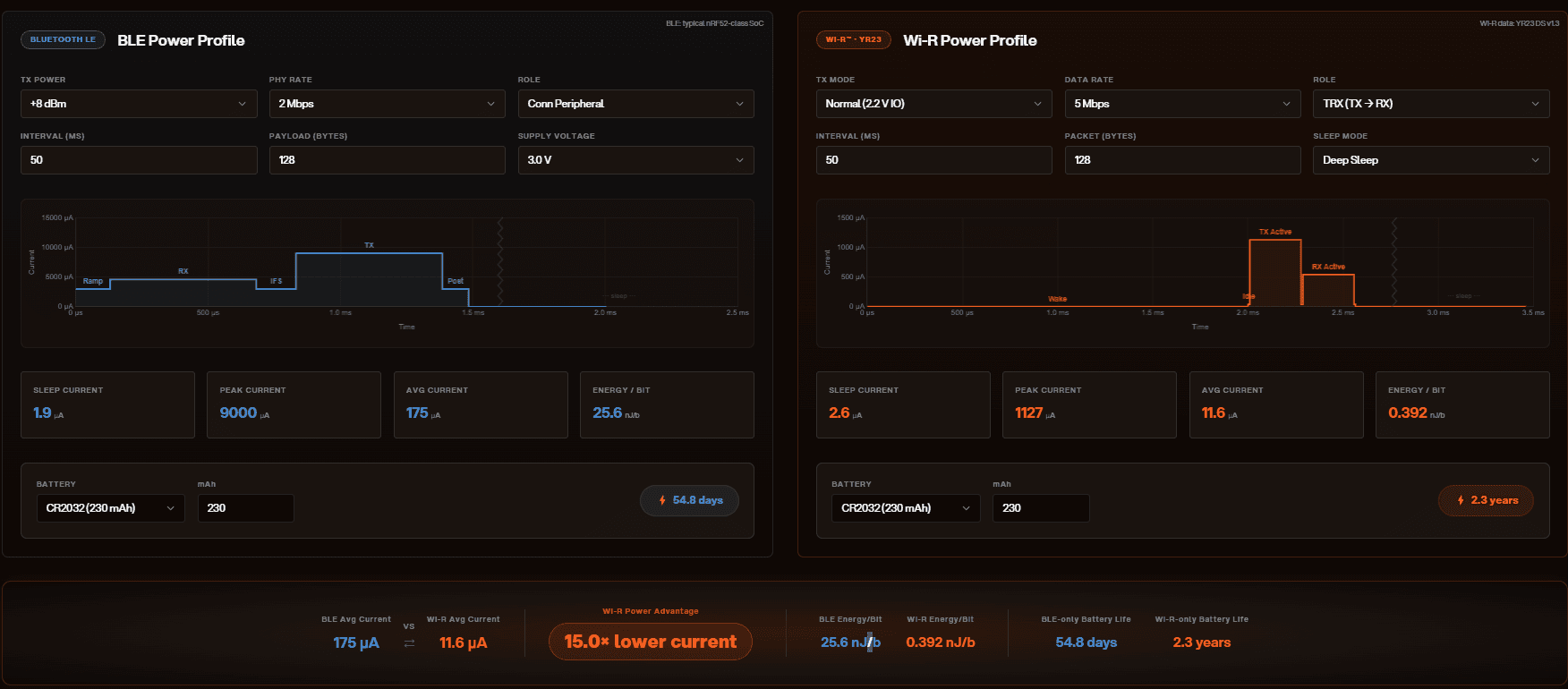
What the Samsung Galaxy Ring reveals about wireless power budgets, and how Wi-R cuts radio current 15x compared to Bluetooth in smart rings.

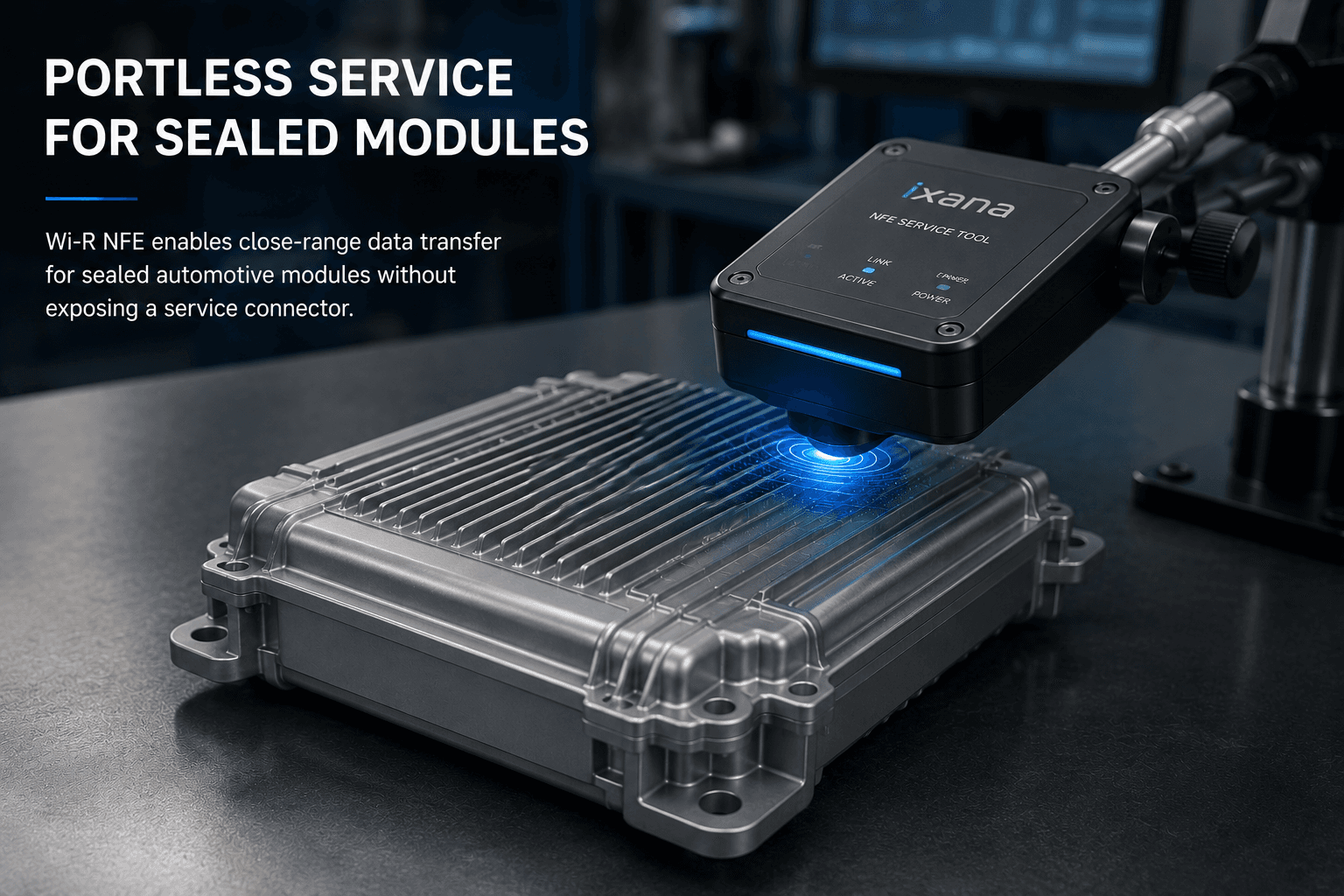
How Wi-R NFE enables portless service for sealed automotive ECUs and ADAS modules: provisioning, diagnostics, and calibration without opening the case.

Wearable AI fails on missing sensor data, not just models. Why a low power wearable data fabric like Wi-R BAN matters for smart glasses and health AI.
Five years of Ixana, from first image transfer demo to a five device wearable network at CES 2026. The story behind Wi-R low power wireless silicon.

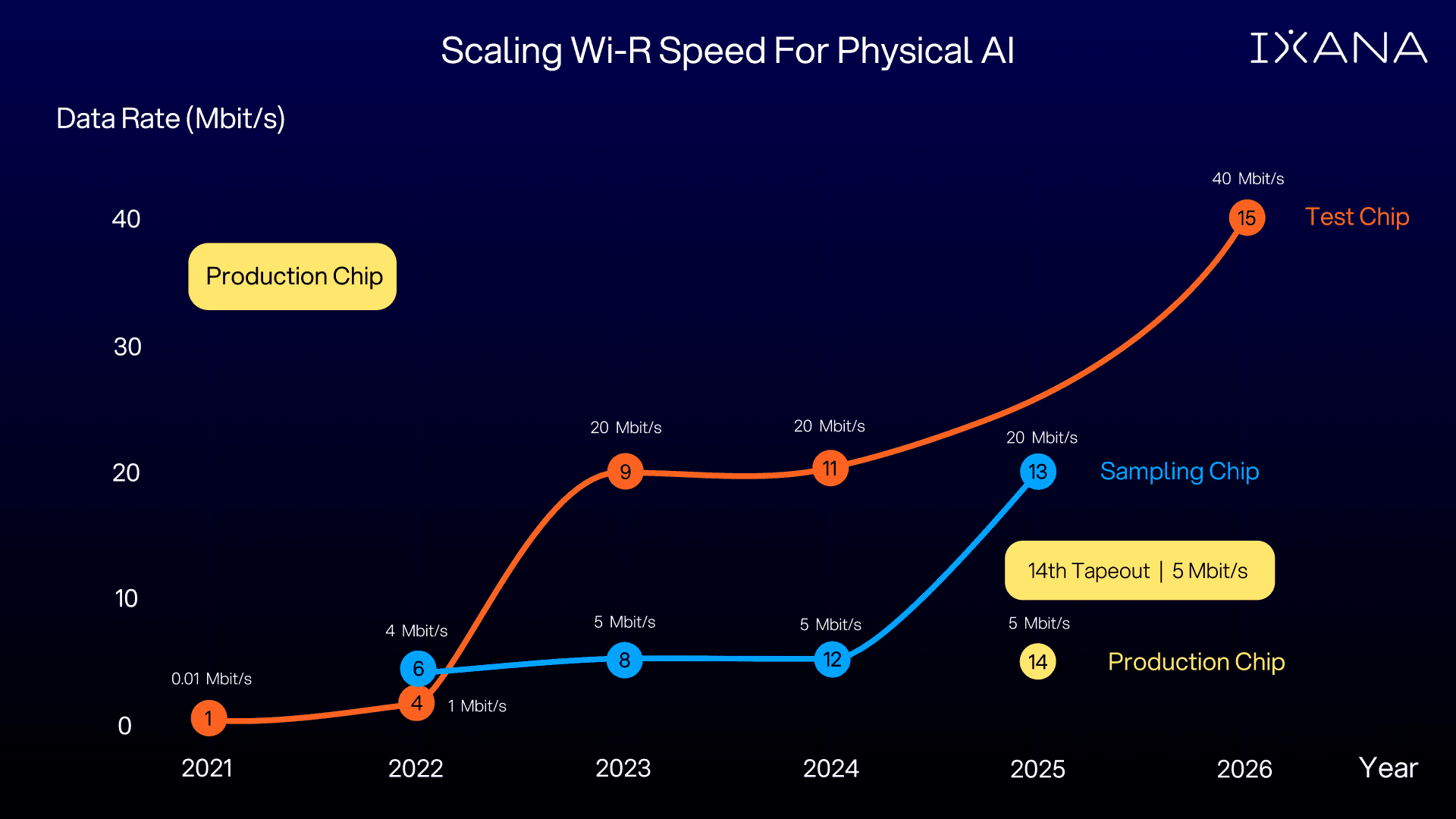
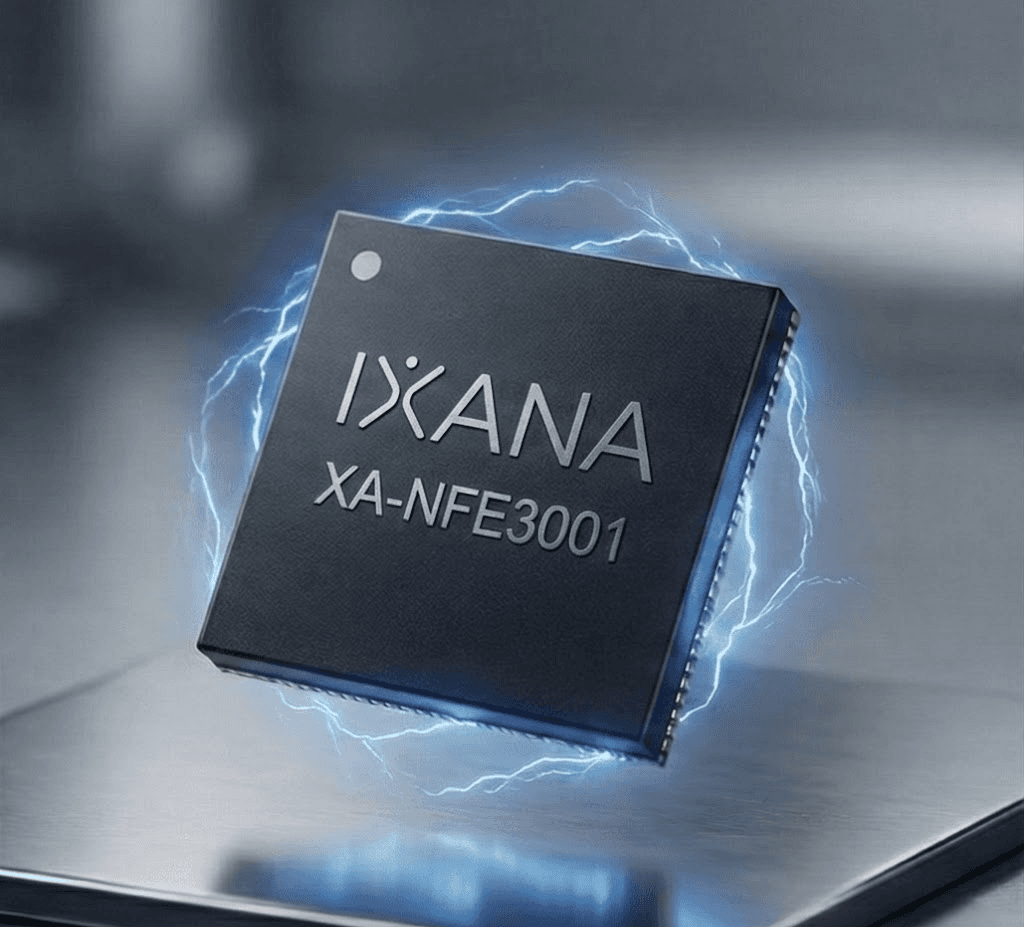
XA-NFE3001 is now sampling: a 20 Mbit/s Wi-R NFE chip for portless provisioning, diagnostics, and data offload under 0.2 ms latency.

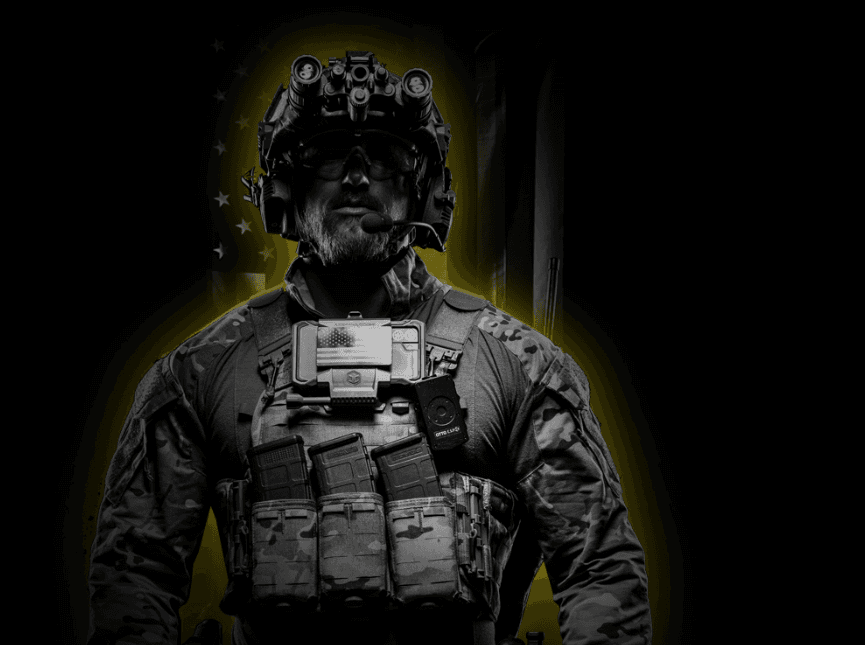
How Wi-R enables digitized combat medicine without RF detectability: touch to triage, offline documentation, and silent casualty monitoring.

Why smart meters and inverters need a portless data link. Wi-R NFE reads sealed utility enclosures securely at 5 Mbps without breaking the seal.

CES 2026 recap: Wi-R live demos, a CNET Best of CES pick, and press validation for a new wearable network category built on low power wireless chips.

Why Wi-R, why now: how low latency, low power wireless fixes Bluetooth bottlenecks today and enables multimodal physical AI on wearables tomorrow.

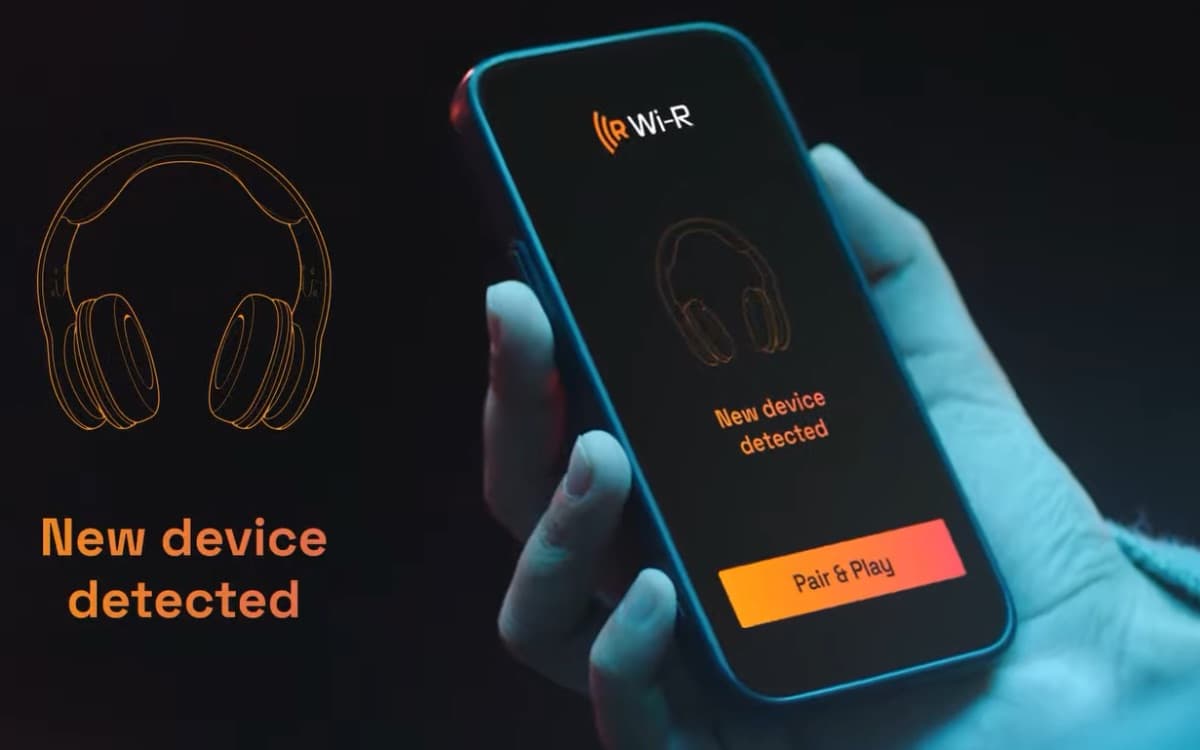
Why Android Quick Share struggles in the last 30 cm, and how a Wi-R NFE confidence layer confirms the right device for reliable close range sharing.

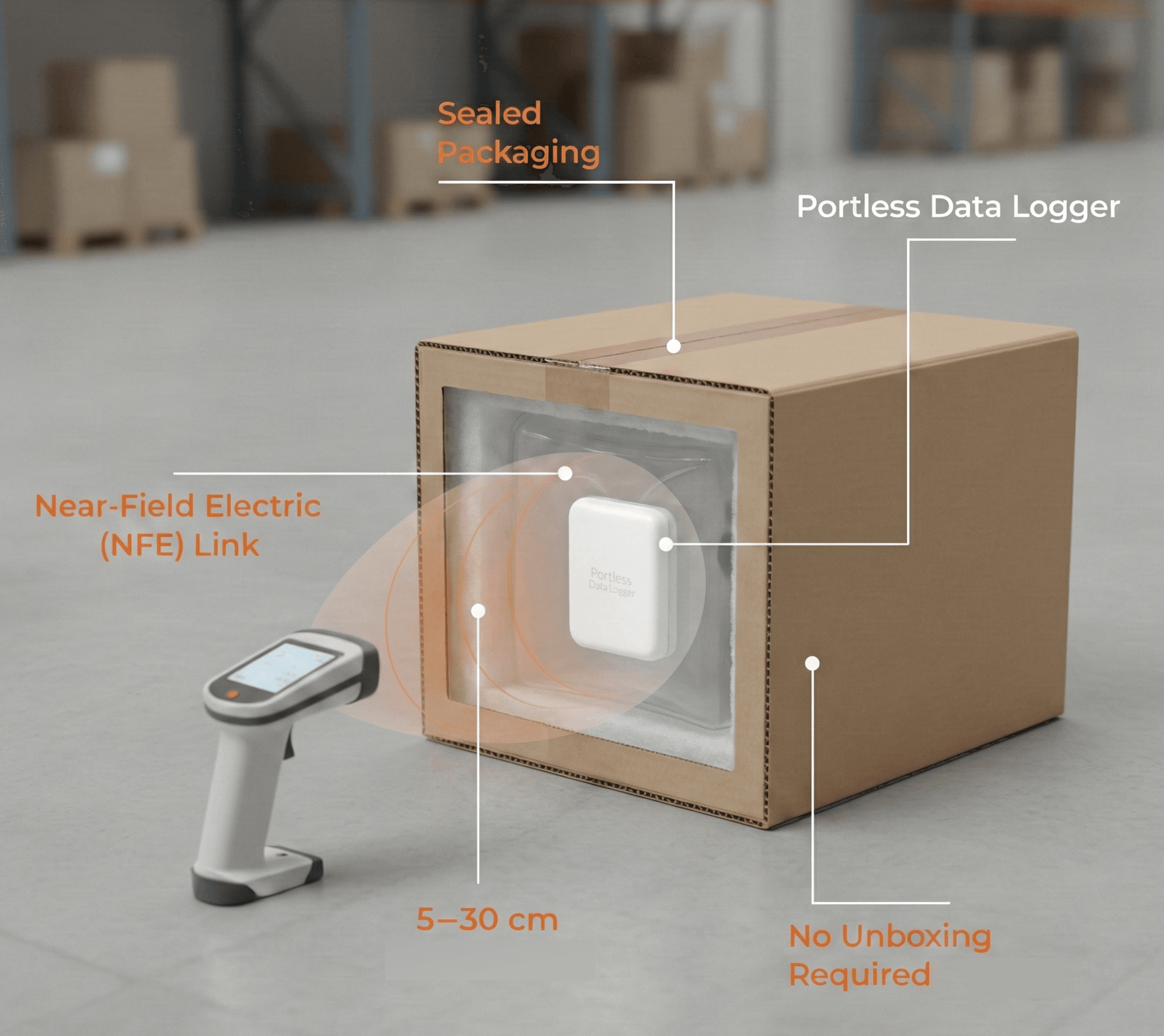
How Wi-R NFE reads cold chain data loggers through sealed packaging: 5 Mbps portless data transfer for logistics without opening the box.

Ixana wins third place in the NATO Innovation Challenge for Touch to Triage: low emission medical data exchange for combat casualty care using Wi-R.

OTTO Engineering and Ixana announce a strategic alliance bringing Wi-R wireless technology to soldier communications, tactical audio, and radios.

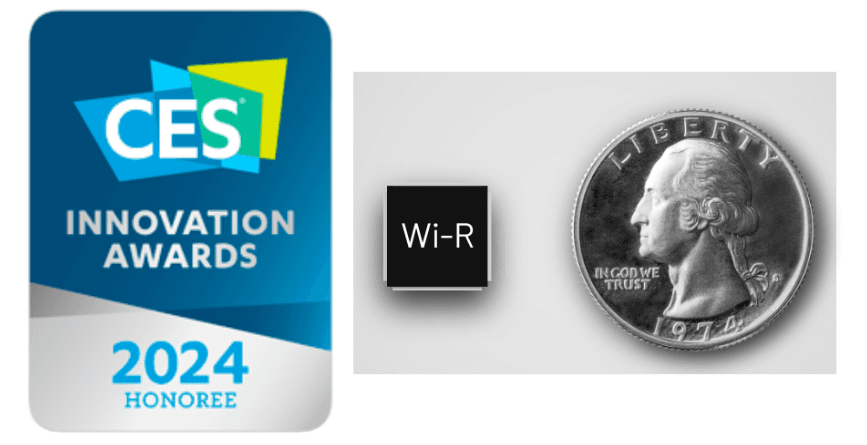
Ixana's Wi-R chip wins a CES 2024 Innovation Award in Embedded Technologies for ultra low power wireless connectivity in wearables and AR devices.

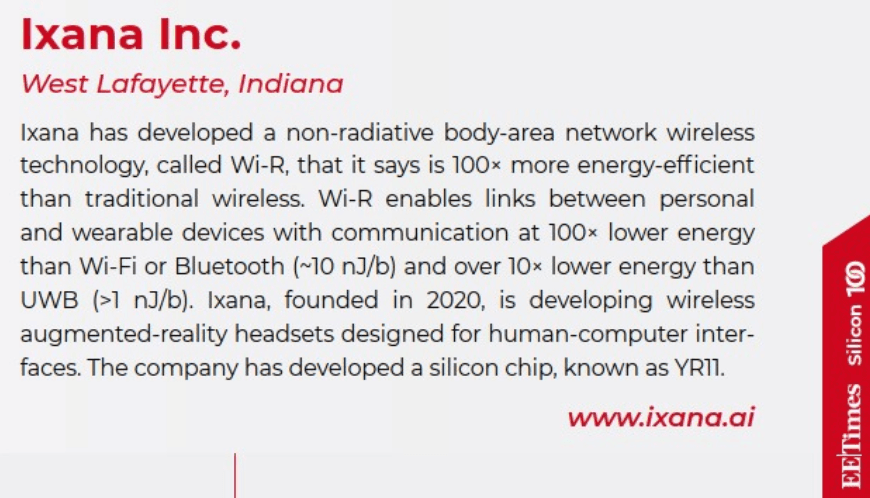
Ixana named to the EE Times Silicon 100 for Wi-R, a non radiative wireless technology for smart glasses, health wearables, and XR devices.

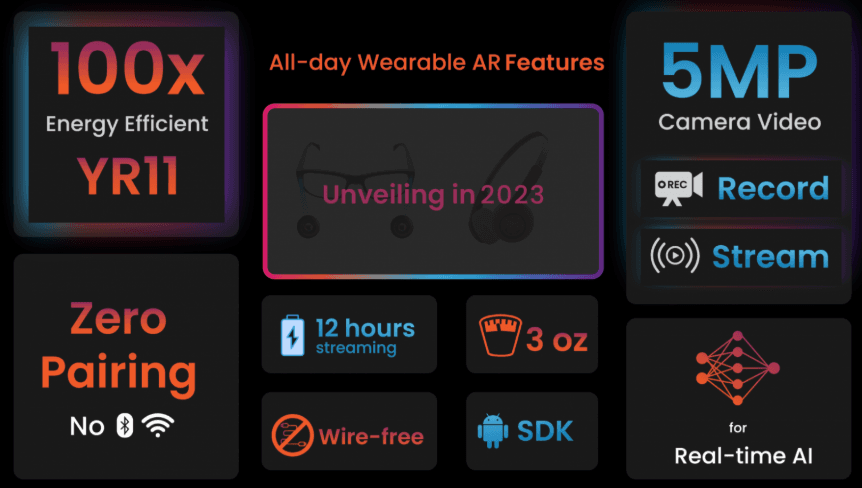
Why battery and heat limits block all day AR headsets, and how Wi-R distributed computing offloads AR workloads to your phone at 100x less energy.

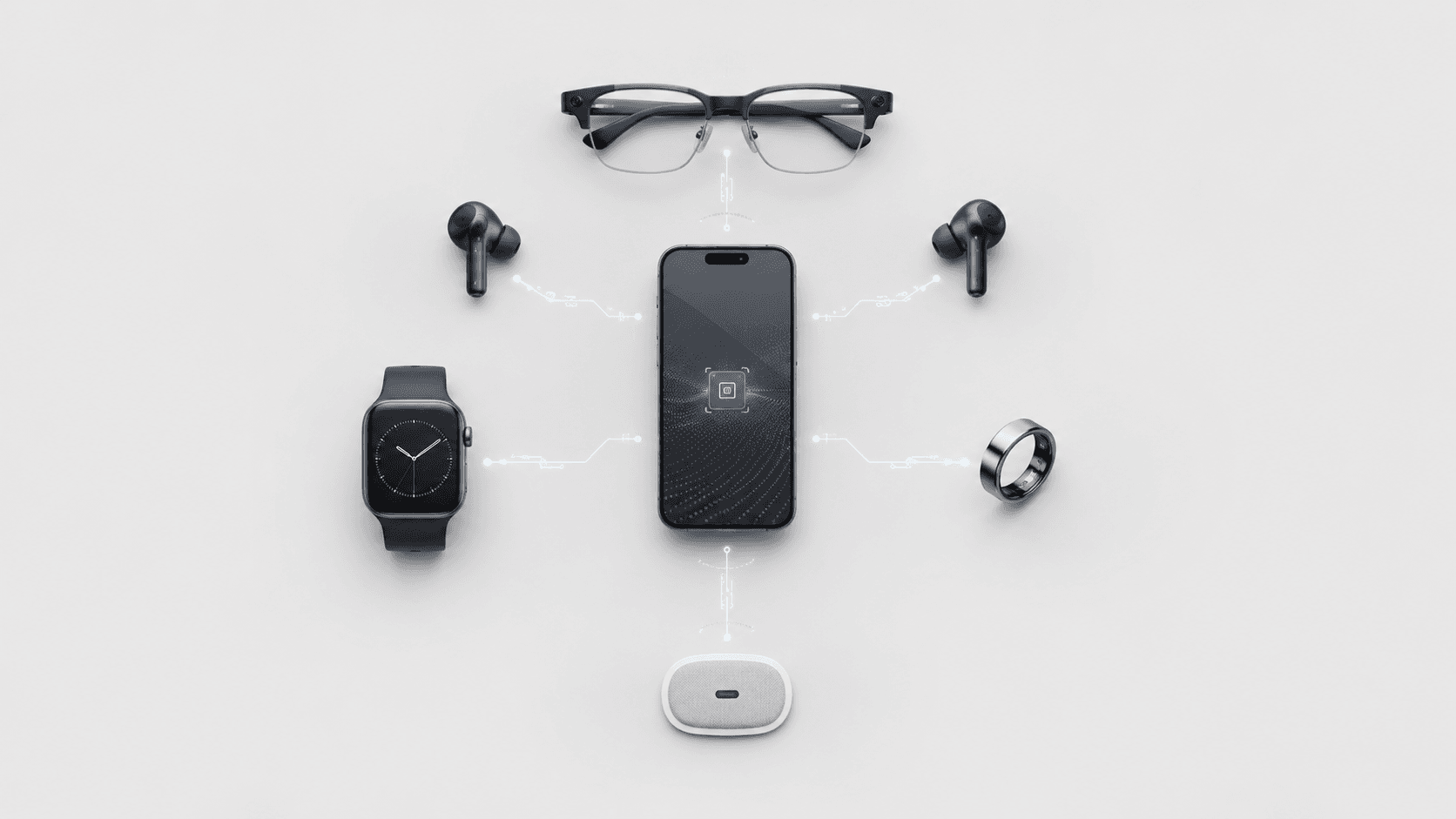
How Wi-R distributed computing deconstructs the smartphone into wearables plus a hub, enabling AI features at 100x less energy than Bluetooth.

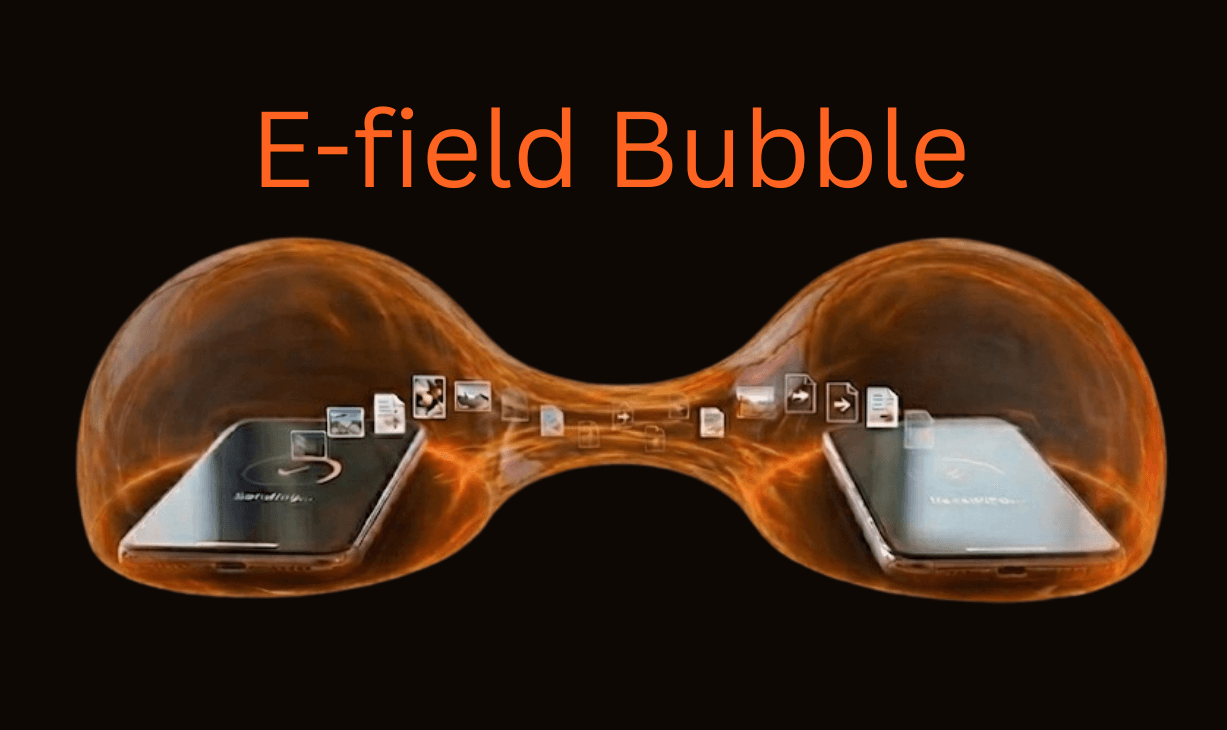
The Wi-R white paper: how non radiative near field wireless works, and how it compares to Bluetooth, Wi-Fi, UWB, NFC, and NFMI on power and speed.